
-

Products
Main products include: large-scale livestock fans, large-scale greenhouse dedicated fans, industrial plant dedicated fans, circulation fans, roof automatic ventilators and other ventilation and cooling systems; wet curtains - fans, cold fans and other cooling and humidification systems; coal (fuel oil, electricity, gas) hot air fans, exhaust fans and other heating systems; feed towers, feed lines and other feeding systems; animal husbandry cage systems; scraper conveyor manure removal machines, belt conveyor manure removal machines and other manure removal systems.
-
About Us
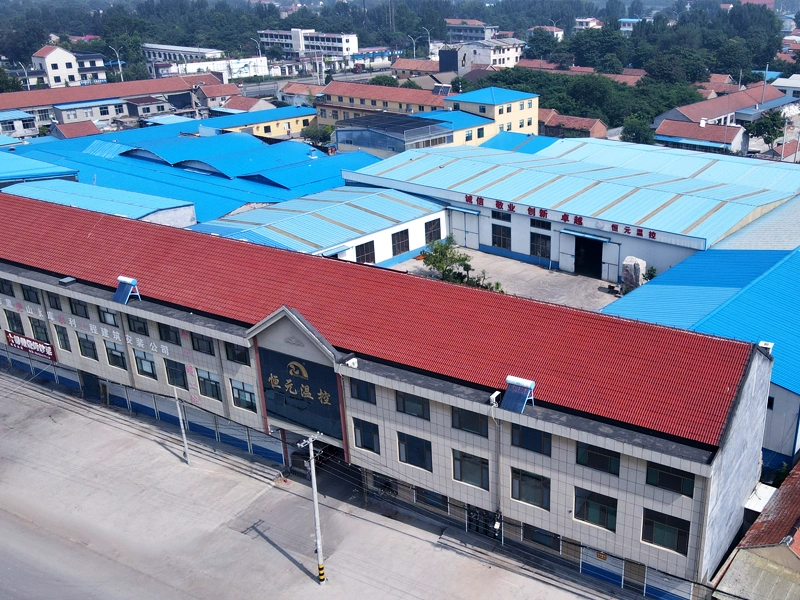
For many years, it has been committed to the development and promotion of national environmental protection and energy-saving products. It is a high-tech enterprise specializing in the production of environmental control-related equipment and technical services.
-
Blog
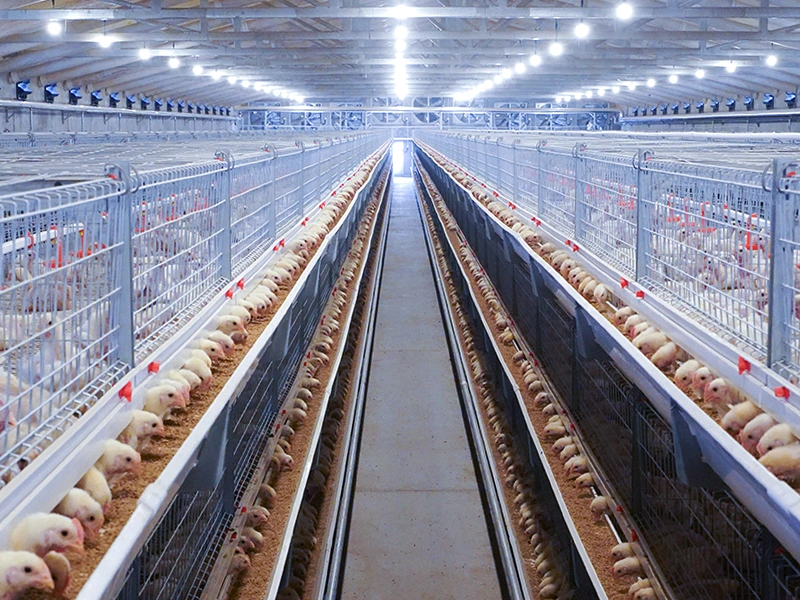
The company's goal is to provide customers with the best solutions for temperature and humidity control, to provide high-quality production and living environments for your greenhouses, livestock and poultry houses, industrial plants, etc., and to create the best benefits for you!
Farrowing House Exhaust Fans: Essential for Sustainable Farming Practices
Release time:
2025-12-04
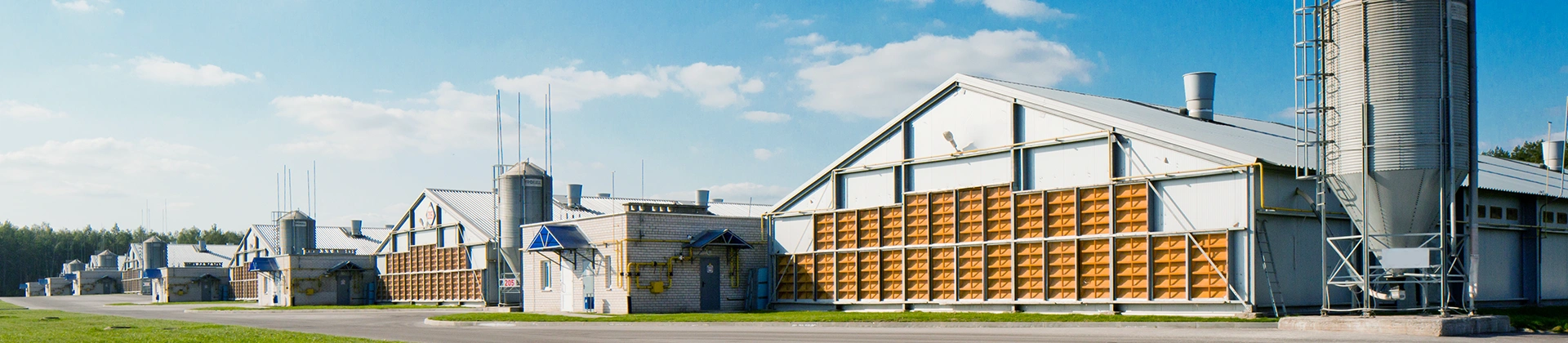
Farrowing House Exhaust Fans: A Vital Component for Sustainable Farming
Table of Contents
- Introduction to Farrowing House Exhaust Fans
- The Importance of Proper Ventilation in Farming
- How Farrowing House Exhaust Fans Work
- Benefits of Installing Farrowing House Exhaust Fans
- Improved Animal Health and Welfare
- Energy Efficiency and Cost Savings
- Boosting Production and Performance
- Installing Farrowing House Exhaust Fans: A Step-by-Step Guide
- Maintenance Tips for Optimal Performance
- Common Issues and Troubleshooting
- Future Trends in Exhaust Fan Technology
- Conclusion
- Frequently Asked Questions
Introduction to Farrowing House Exhaust Fans
In modern agriculture, **sustainable farming practices** have gained paramount importance. Among these practices, effective ventilation stands out as a critical factor in ensuring the welfare of livestock, particularly in farrowing houses. **Farrowing house exhaust fans** serve as vital components that not only improve air quality but also enhance the overall efficiency of farming operations. This article delves into the details of farrowing house exhaust fans, exploring their functions, benefits, installation processes, and maintenance tips.
The Importance of Proper Ventilation in Farming
Proper **ventilation** is essential for maintaining a healthy environment for livestock. In farrowing houses where sows give birth and nurse piglets, the temperature and air quality play significant roles in the health and productivity of the animals. Poor ventilation can lead to various issues, including:
- **Increased humidity levels**, which can foster the growth of harmful bacteria and pathogens.
- **Excessive heat**, leading to heat stress in sows and piglets.
- A buildup of harmful gases such as ammonia, which can irritate the respiratory tracts of the animals.
Implementing **exhaust fans** in farrowing houses directly addresses these concerns, creating an environment that promotes animal welfare and productivity.
How Farrowing House Exhaust Fans Work
Farrowing house exhaust fans operate by creating a controlled airflow system. Here's how they function:
1. **Air Intake**: Fresh air is drawn into the farrowing house through inlets strategically placed around the facility.
2. **Air Circulation**: The exhaust fans facilitate the circulation of air, ensuring that the fresh air mixes well with the existing air inside the barn.
3. **Exhausting Stale Air**: As the fresh air enters, stale and potentially harmful air is expelled through the exhaust fans, effectively reducing humidity and harmful gas levels.
4. **Temperature Control**: The fans can also help regulate temperature by allowing hot air to escape, creating a cooler environment for the animals.
This continuous cycle of air exchange is crucial for maintaining optimal conditions in farrowing houses.
Benefits of Installing Farrowing House Exhaust Fans
The installation of farrowing house exhaust fans comes with a myriad of benefits that contribute to sustainable farming practices. Let's take a closer look at some of these advantages.
Improved Animal Health and Welfare
One of the most significant benefits of using exhaust fans is the enhancement of animal health. By ensuring a steady flow of fresh air and reducing humidity levels, these fans help:
- Minimize respiratory issues in sows and piglets.
- Decrease the risk of **disease outbreaks** due to poor air quality.
- Contribute to better weight gain and overall health in young piglets.
Healthy animals are more productive, which aligns with the goals of sustainable farming.
Energy Efficiency and Cost Savings
Modern exhaust fans are designed to be energy-efficient, which translates into cost savings for farmers. By optimizing airflow and reducing the need for additional cooling systems, farmers can lower their energy bills. Furthermore, some fans are equipped with variable speed controls, allowing for adjustments based on the actual needs of the barn, further enhancing energy efficiency.
Boosting Production and Performance
Proper ventilation significantly impacts the productivity of livestock. Research indicates that well-ventilated farrowing houses can lead to:
- Increased conception rates.
- Higher survival rates for piglets.
- Improved overall weight gain in the nursery phase.
By fostering an environment conducive to growth, farmers can achieve better results and higher profits.
Installing Farrowing House Exhaust Fans: A Step-by-Step Guide
Installing farrowing house exhaust fans requires careful planning and execution. Here’s a comprehensive guide to ensure successful installation:
1. Assess Your Needs
Before installation, assess the size of your farrowing house and the specific ventilation requirements. Consider factors like the number of sows, the layout of the barn, and local climate conditions.
2. Choose the Right Fan
Select exhaust fans that match your ventilation needs. Look for fans with the appropriate capacity, energy efficiency ratings, and features like variable speed controls.
3. Plan the Layout
Determine the optimal placement of exhaust fans. Ideally, fans should be installed high on the walls to maximize airflow and minimize obstructions.
4. Install the Fans
Follow the manufacturer's guidelines for installation. Ensure that the fans are securely mounted and that all electrical connections comply with safety standards.
5. Test the System
Once installed, turn on the fans to test the airflow. Make necessary adjustments to ensure that air is circulating effectively throughout the barn.
Maintenance Tips for Optimal Performance
To ensure the longevity and efficiency of farrowing house exhaust fans, regular maintenance is essential. Here are some key maintenance tips:
1. **Inspect Fans Regularly**: Check for any signs of wear and tear, including loose screws or damaged blades.
2. **Clean the Fans**: Dust and debris can accumulate on the fan blades, reducing efficiency. Clean fans regularly to maintain optimal performance.
3. **Lubricate Moving Parts**: Apply lubricant to the moving parts as recommended by the manufacturer to prevent rust and ensure smooth operation.
4. **Monitor Performance**: Keep an eye on the airflow and overall performance of the fans. If performance drops, investigate potential issues.
5. **Schedule Professional Servicing**: Consider having a professional inspect and service the fans at least once a year to identify any underlying problems.
Common Issues and Troubleshooting
Despite proper installation and maintenance, problems may arise with farrowing house exhaust fans. Here are some common issues and troubleshooting tips:
1. Insufficient Airflow
If airflow is inadequate, check for obstructions in the fan or ducts. Ensure that all inlets are clear and functioning properly.
2. Noisy Operation
Excessive noise can indicate a problem with the motor or misalignment. Inspect the fans and components to identify and rectify the issue.
3. High Energy Costs
If energy costs are higher than expected, check if the fans are operating efficiently. Consider upgrading to more energy-efficient models if necessary.
Future Trends in Exhaust Fan Technology
The field of agricultural technology is ever-evolving, and exhaust fans are no exception. Here are some upcoming trends to keep an eye on:
1. **Smart Technology Integration**: More exhaust fans are being developed with smart controls, allowing farmers to monitor and adjust settings remotely through mobile applications.
2. **Sustainable Materials**: The trend towards sustainability is leading manufacturers to explore eco-friendly materials for fan construction.
3. **Advanced Sensors**: New exhaust fans increasingly feature sensors that monitor air quality, temperature, and humidity, providing real-time data to optimize ventilation.
These innovations promise to further enhance the efficiency and effectiveness of farrowing house exhaust fans, making them an indispensable tool for sustainable farming.
Conclusion
Farrowing house exhaust fans are indeed a vital component of sustainable farming. By improving air quality, enhancing animal health, and boosting production efficiency, these fans play a significant role in modern agricultural practices. Investing in high-quality exhaust fans and maintaining them properly can lead to substantial benefits for both farmers and livestock. As technology advances, the potential for improved ventilation systems will only grow, ensuring that farmers can continue to meet the demands of sustainable agriculture.
Frequently Asked Questions
1. What is the primary function of farrowing house exhaust fans?
The primary function of farrowing house exhaust fans is to improve ventilation by removing stale air and introducing fresh air, thereby enhancing the overall environment for livestock.
2. How do I know if my exhaust fans need maintenance?
Signs that your exhaust fans may require maintenance include unusual noises, insufficient airflow, and increased energy costs. Regular inspections can help identify issues early.
3. Can I install exhaust fans myself?
While it is possible to install exhaust fans yourself, it is advisable to follow the manufacturer’s guidelines and, if necessary, seek professional assistance to ensure proper installation.
4. What are the energy-saving benefits of modern exhaust fans?
Modern exhaust fans are designed to be energy-efficient, often featuring variable speed controls and advanced technology that reduce energy consumption and operating costs.
5. Are there any specific brands of exhaust fans recommended for farrowing houses?
While many brands offer quality exhaust fans, it is essential to choose one based on your specific needs, budget, and available features. Researching reviews and seeking recommendations from fellow farmers can also be helpful.
By addressing the critical elements of farrowing house exhaust fans, this article aims to provide a comprehensive understanding of their significance in sustainable farming practices.
recommend Content
2025-04-24
Share

Engaged in all kinds of cooling heating and animal husbandry equipment
Qingzhou Ventimax Equipment Co.,Ltd.
Economic Development zone,Qingzhou,China