
-

Products
Main products include: large-scale livestock fans, large-scale greenhouse dedicated fans, industrial plant dedicated fans, circulation fans, roof automatic ventilators and other ventilation and cooling systems; wet curtains - fans, cold fans and other cooling and humidification systems; coal (fuel oil, electricity, gas) hot air fans, exhaust fans and other heating systems; feed towers, feed lines and other feeding systems; animal husbandry cage systems; scraper conveyor manure removal machines, belt conveyor manure removal machines and other manure removal systems.
-
About Us
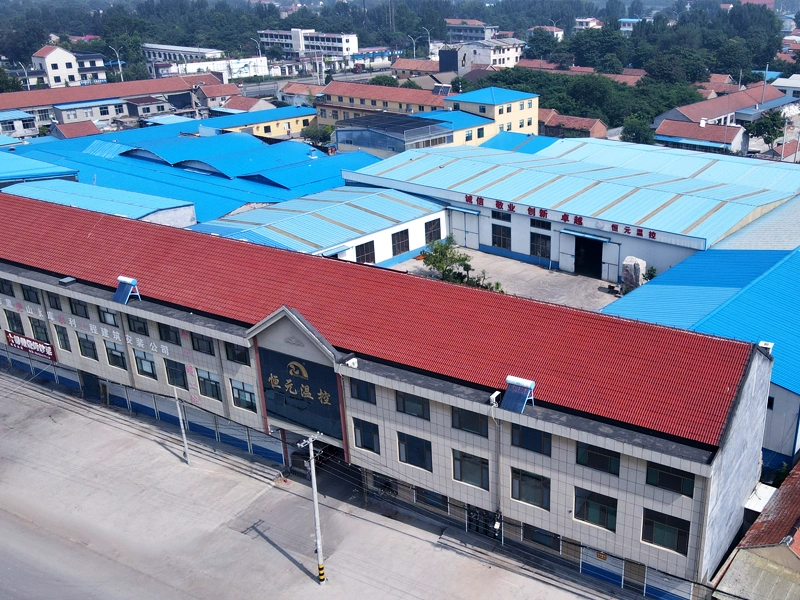
For many years, it has been committed to the development and promotion of national environmental protection and energy-saving products. It is a high-tech enterprise specializing in the production of environmental control-related equipment and technical services.
-
Blog
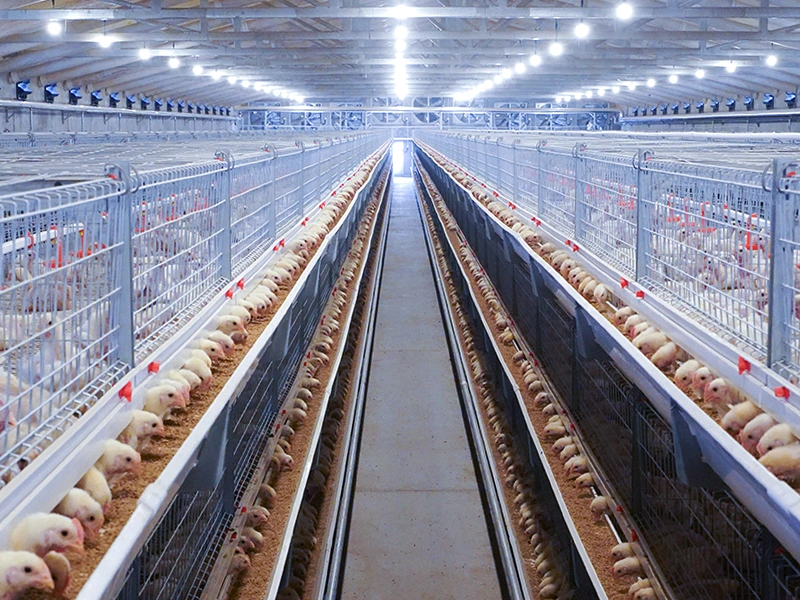
The company's goal is to provide customers with the best solutions for temperature and humidity control, to provide high-quality production and living environments for your greenhouses, livestock and poultry houses, industrial plants, etc., and to create the best benefits for you!
Why Your Farm Needs a Fancy Farrowing House Exhaust Fan: The Ultimate Guide to Enhanced Piglet Production
Release time:
2025-10-22
Why Your Farm Needs a Fancy Farrowing House Exhaust Fan
In the world of agriculture, especially in pig farming, the health and welfare of livestock is paramount. One of the critical elements that directly affect the well-being of sows and piglets is the quality of air in the farrowing house. This is where a fancy farrowing house exhaust fan comes into play. Not only does it regulate temperature and humidity, but it also ensures optimal airflow, which is essential for maintaining a healthy environment. In this article, we will explore the various benefits and features of farrowing house exhaust fans, along with practical installation and maintenance tips.
Understanding the Importance of Air Quality in Pig Farming
Air quality has a profound impact on the health and productivity of pigs. Poor ventilation can lead to the buildup of harmful gases such as ammonia, carbon dioxide, and dust particles. These pollutants can cause respiratory issues, stress, and even reduced growth rates in piglets. Therefore, maintaining a clean and well-ventilated environment is crucial for successful pig farming.
The Role of Exhaust Fans in Managing Air Quality
Exhaust fans play a vital role in controlling the air quality of a farrowing house. They expel stale, hot, and humid air from the facility while drawing in fresh air. This process not only helps in maintaining an optimal temperature but also reduces the concentration of harmful gases. A fancy exhaust fan is designed with advanced technology to ensure efficient air circulation, which is essential for the health of both sows and piglets.
Key Benefits of Installing a Fancy Farrowing House Exhaust Fan
1. Enhanced Temperature Regulation
Farrowing houses can become extremely hot during the summer months, leading to heat stress in sows and piglets. A high-quality exhaust fan helps to regulate internal temperatures, ensuring that the environment remains comfortable and conducive for birthing and nursing. Maintaining optimal temperatures not only improves the health of the animals but also enhances productivity.
2. Improved Humidity Control
Excessive humidity can create a breeding ground for pathogens, which can be detrimental to pig health. A fancy exhaust fan efficiently removes humid air, replacing it with drier, fresh air. This helps to prevent respiratory diseases and ensures that piglets grow in a safe and healthy environment.
3. Reduction of Harmful Gases
As mentioned earlier, the accumulation of gases like ammonia can lead to severe health issues in pigs. An exhaust fan significantly reduces the concentration of these gases, promoting better respiratory health and overall well-being. This is particularly important during the farrowing process when the health of the sow and her piglets is critical.
4. Increased Productivity and Growth Rates
When pigs are kept in an optimal environment, they thrive. A well-ventilated farrowing house supports higher growth rates and better feed conversion ratios. Healthy, stress-free pigs are more likely to reach market weight faster, improving the overall profitability of the farm.
5. Better Disease Control
Good ventilation is key to disease prevention. By maintaining fresh air circulation, a farrowing house exhaust fan helps to minimize the risk of airborne diseases. This is especially crucial in a farrowing house where the health of newborn piglets is particularly vulnerable.
Features to Look for in a Fancy Farrowing House Exhaust Fan
1. Energy Efficiency
Operating costs are a major concern for any farmer. Selecting an energy-efficient exhaust fan can drastically reduce electricity costs while ensuring optimal performance. Look for models with EC (electronically commutated) motors, which are known for their energy-saving capabilities.
2. Adjustable Speed Settings
A fan with variable speed settings allows for customizable airflow, which can be adjusted based on the external weather conditions and internal temperatures. This feature ensures that you can maintain the ideal environment year-round.
3. Robust Construction
Farming environments can be harsh. Choose a fan made from high-quality materials that can withstand varying temperatures, humidity levels, and exposure to dust. A durable exhaust fan will provide long-lasting performance and reliability.
4. Quiet Operation
Noise can stress animals, particularly in sensitive environments like farrowing houses. A fancy exhaust fan should operate quietly to minimize disturbances, ensuring a calm atmosphere that promotes relaxation and health.
5. Smart Technology Integration
Modern exhaust fans may incorporate smart technology that allows for remote monitoring and control via smartphone apps. These features enable farmers to adjust settings in real-time, ensuring optimal conditions even when they are not physically present on the farm.
Installation Tips for Your Farrowing House Exhaust Fan
1. Assess Your Ventilation Needs
Before installation, conduct a thorough assessment of your farrowing house to determine the required airflow rates. The size of the building, the number of sows, and the local climate all play crucial roles in this evaluation.
2. Choose the Right Location
Positioning the exhaust fan strategically is key to maximizing its effectiveness. Ideally, it should be placed on the leeward side of the building to facilitate optimal airflow. Ensure that there are no obstructions that could hinder the fan's operation.
3. Ensure Proper Sealing and Insulation
For maximum efficiency, ensure that the exhaust fan is properly sealed and that the building is well-insulated. This helps to reduce energy loss and maintain internal temperatures, making your farrowing house more efficient.
4. Follow Manufacturer Guidelines
Always adhere to the installation instructions provided by the manufacturer. This ensures that the fan operates as intended and that warranties remain valid. If you're unsure, consider hiring a professional for installation.
5. Regular Maintenance Checks
After installation, establish a regular maintenance schedule. Inspect the fan for any signs of wear and tear, clean the blades and housing, and ensure that the motor is functioning efficiently. Regular maintenance prolongs the life of your exhaust fan and ensures optimal performance.
Common Misconceptions About Farrowing House Exhaust Fans
1. Exhaust Fans Are Only Necessary in Hot Climates
While it's true that exhaust fans help in hot weather, they are equally important in cooler climates. Proper ventilation helps to maintain stable temperatures and humidity levels, regardless of the external climate.
2. All Exhaust Fans Are the Same
Not all exhaust fans are created equal. Features, efficiency, and build quality vary significantly between models. Investing in a high-quality fan tailored for agricultural use is essential for achieving optimal results.
3. Using Exhaust Fans Will Increase Energy Costs
While running an exhaust fan does consume energy, a well-designed, energy-efficient fan can actually lower overall energy costs by reducing the need for additional heating or cooling. They can provide cost-effective solutions in the long run.
FAQs About Farrowing House Exhaust Fans
1. How do I know which size exhaust fan I need?
Choosing the right size exhaust fan depends on the volume of your farrowing house, the number of animals, and your local climate. A ventilation expert can help you determine the optimal fan specifications for your facility.
2. Can I install an exhaust fan myself?
While some farmers may opt for DIY installation, it's recommended to consult with or hire a professional to ensure proper placement and functionality. This can save you time and potential issues down the road.
3. How often should I clean my exhaust fan?
Regular cleaning is essential for maintaining performance. It's advisable to clean the fan at least once a month, or more frequently in dusty conditions, to prevent buildup that could hinder airflow.
4. Do exhaust fans require a lot of electricity to operate?
Modern exhaust fans are designed to be energy-efficient. While they do consume electricity, the savings from improved animal health and productivity often outweigh the operating costs.
5. What is the best time to install an exhaust fan?
The best time for installation is typically during the off-season when the farrowing house is not in use. This allows for proper installation and testing without disrupting the farrowing process.
Conclusion
Investing in a fancy farrowing house exhaust fan is a decision that pays dividends through improved air quality, health, and productivity of your livestock. By maintaining optimal conditions, farmers can ensure the well-being of sows and their piglets, leading to enhanced growth rates and overall farm profitability. With the right features and proper installation, a farrowing house exhaust fan can significantly elevate the standards of pig farming. Make the leap today and witness the positive transformation in your farming operations.
recommend Content
2025-04-24
Share

Engaged in all kinds of cooling heating and animal husbandry equipment
Qingzhou Ventimax Equipment Co.,Ltd.
Economic Development zone,Qingzhou,China