
-

Products
Main products include: large-scale livestock fans, large-scale greenhouse dedicated fans, industrial plant dedicated fans, circulation fans, roof automatic ventilators and other ventilation and cooling systems; wet curtains - fans, cold fans and other cooling and humidification systems; coal (fuel oil, electricity, gas) hot air fans, exhaust fans and other heating systems; feed towers, feed lines and other feeding systems; animal husbandry cage systems; scraper conveyor manure removal machines, belt conveyor manure removal machines and other manure removal systems.
-
About Us
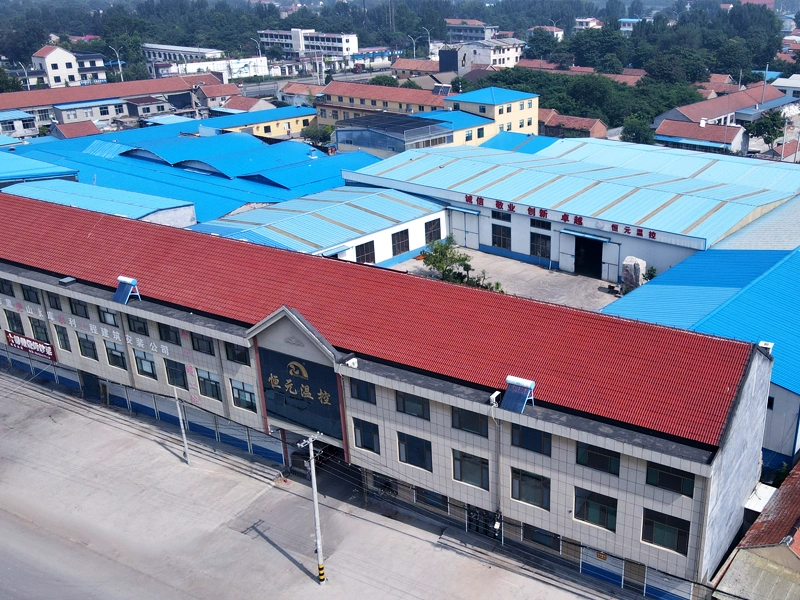
For many years, it has been committed to the development and promotion of national environmental protection and energy-saving products. It is a high-tech enterprise specializing in the production of environmental control-related equipment and technical services.
-
Blog
The company's goal is to provide customers with the best solutions for temperature and humidity control, to provide high-quality production and living environments for your greenhouses, livestock and poultry houses, industrial plants, etc., and to create the best benefits for you!
Unlocking the Secrets of Broiler Cages: A Deep Dive into Poultry Farming
Release time:
2025-10-13
Understanding Broiler Cages
When it comes to poultry farming, particularly in the world of meat production, few things are as crucial as the broiler cage. These specialized enclosures are designed to house broiler chickens—those plump, juicy birds that grace our dinner plates. But what exactly is a broiler cage, and why is it so essential in the poultry industry? Let's break it down!
What Exactly is a Broiler Cage?
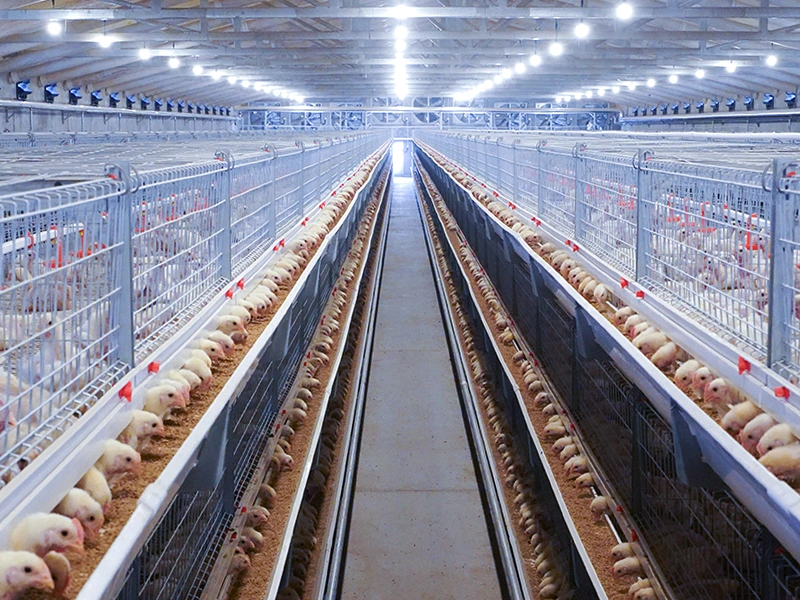
At its core, a broiler cage is a housing system that allows farmers to keep multiple chickens in a confined space. Unlike traditional free-range methods, these cages enable farmers to optimize space and resources, thereby maximizing output. They can be stacked vertically, which not only saves room but also makes feeding, watering, and cleaning a whole lot easier.
The Benefits are Clear!
Now, you might be wondering, "What's the big deal? Why go the cage route?" Well, hold onto your feathers because the benefits are pretty impressive:
- Space Efficiency: Farming is all about maximizing your space. Broiler cages allow poultry farmers to house more birds without needing an expansive area.
- Health Management: Keeping birds in cages helps in monitoring their health closely. When chickens are in a confined space, it's easier to spot signs of illness or distress.
- Feed Efficiency: With the right setup, feeding becomes streamlined. Farmers can ensure that each bird gets its fair share without competition.
- Reduced Waste: Waste management is simpler with cages. It's easier to collect droppings, which can then be repurposed as fertilizer.
Challenges: The Flip Side
However, it's not all sunshine and rainbows. There are challenges associated with using broiler cages:
- Animal Welfare Concerns: Critics often argue that caged systems can lead to a lack of movement for the birds, raising ethical questions.
- Initial Costs: Setting up a cage system can be expensive. From purchasing the cages to installing feeding systems, it's an upfront investment.
- Regulatory Issues: Depending on where you farm, there may be strict regulations regarding the use of cages. Keeping up with the legal landscape is crucial.
Innovation in Broiler Cages
Despite the challenges, innovation continues to thrive in the realm of broiler cages. Farmers are now integrating technology to enhance the welfare of their birds. For instance, automated feeding systems and climate control can ensure that chickens are well-fed and comfortable, even in a confined space.
What's Next?
So, what does the future hold for broiler cages? The conversation is shifting towards sustainability and animal welfare. As consumers become more conscious of where their food comes from, farmers will need to adapt. This might mean transitioning to more humane cage systems or even exploring cage-free options.
Conclusion: The Bottom Line
In the grand scheme of poultry farming, broiler cages represent both a practical solution and a topic of heated debate. While they offer numerous advantages, the ethical implications cannot be ignored. As we move forward, collaboration between farmers, consumers, and regulators will be key in shaping the future of poultry farming. So next time you're enjoying that crispy fried chicken, think about the journey it took—from the farm to your table—and the role that broiler cages played in that process.
recommend Content
2025-04-24
Share

Engaged in all kinds of cooling heating and animal husbandry equipment
Qingzhou Ventimax Equipment Co.,Ltd.
Economic Development zone,Qingzhou,China