
-

Products
Main products include: large-scale livestock fans, large-scale greenhouse dedicated fans, industrial plant dedicated fans, circulation fans, roof automatic ventilators and other ventilation and cooling systems; wet curtains - fans, cold fans and other cooling and humidification systems; coal (fuel oil, electricity, gas) hot air fans, exhaust fans and other heating systems; feed towers, feed lines and other feeding systems; animal husbandry cage systems; scraper conveyor manure removal machines, belt conveyor manure removal machines and other manure removal systems.
-
About Us
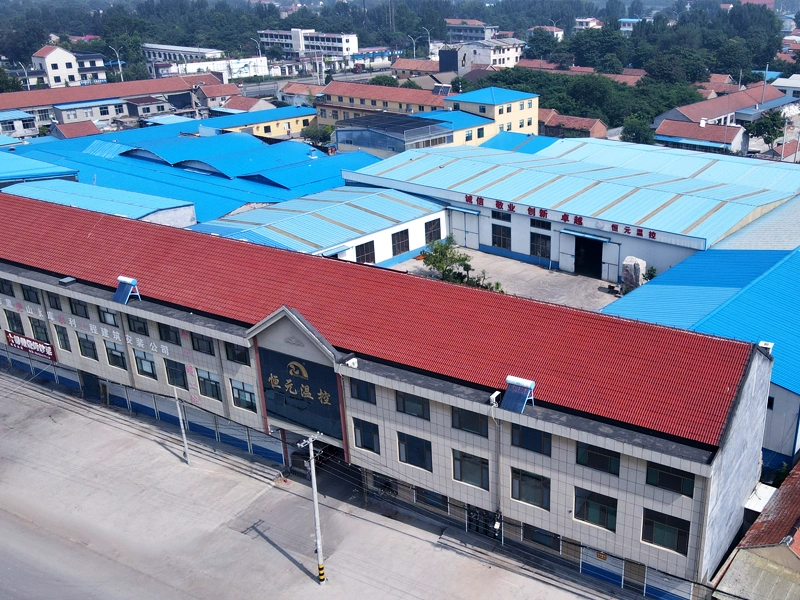
For many years, it has been committed to the development and promotion of national environmental protection and energy-saving products. It is a high-tech enterprise specializing in the production of environmental control-related equipment and technical services.
-
Blog
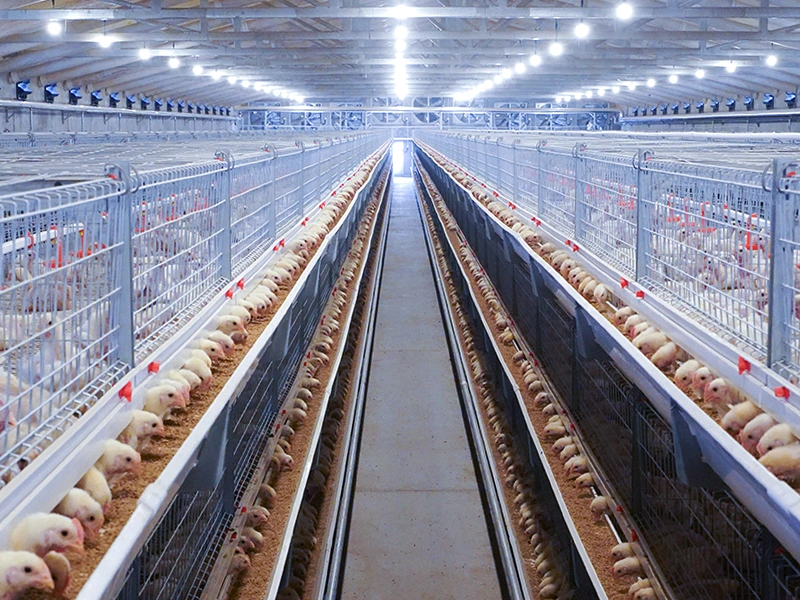
The company's goal is to provide customers with the best solutions for temperature and humidity control, to provide high-quality production and living environments for your greenhouses, livestock and poultry houses, industrial plants, etc., and to create the best benefits for you!
Enhancing Cow Comfort with Proper Ventilation: The Case for Cone Fans
Release time:
2025-10-10
Enhancing Cow Comfort with Proper Ventilation: The Case for Cone Fans
Table of Contents
- 1. Introduction to Cow Comfort and Ventilation
- 2. The Importance of Ventilation in Dairy Farming
- 3. Understanding Cow Comfort: Why It Matters
- 4. Introducing Cone Fans: What Are They?
- 5. Benefits of Cone Fans for Cow Comfort
- 6. Effective Installation Strategies for Cone Fans
- 7. Maintenance of Cone Fans: Ensuring Longevity and Efficiency
- 8. Case Studies: Real-Life Applications of Cone Fans in Dairy Farms
- 9. Frequently Asked Questions
- 10. Conclusion: Investing in Cow Comfort
1. Introduction to Cow Comfort and Ventilation
The welfare of dairy cows plays a crucial role in the overall productivity of a farm. As farmers strive to optimize milk production and enhance the health of their livestock, the significance of proper ventilation cannot be overstated. In this article, we explore how cone fans provide an effective solution for promoting cow comfort and overall farm efficiency.
2. The Importance of Ventilation in Dairy Farming
Ventilation serves as a fundamental aspect of maintaining a healthy environment for dairy cows. Inadequate airflow can lead to heat stress, respiratory issues, and the spread of diseases within the herd. Effective ventilation systems, including cone fans, help regulate temperature and humidity levels, ensuring that cows remain comfortable and productive.
2.1 The Effects of Poor Ventilation
Cows subjected to poor ventilation may experience increased stress levels, which adversely affect their milk production and overall health. Elevated temperatures can lead to decreased feed intake, reduced fertility, and an increased likelihood of illness. Thus, maintaining an optimal environment is essential for fostering healthy growth and productivity.
2.2 Optimal Ventilation Conditions
The ideal ventilation system should promote consistent airflow while preventing drafts. Proper air exchange can significantly enhance the living conditions for dairy cows, leading to better performance and well-being.
3. Understanding Cow Comfort: Why It Matters
Cow comfort encompasses various factors, including bedding, space, nutrition, and environmental conditions. Prioritizing these elements can lead to better animal health, improved milk quality, and increased profitability for dairy farmers.
3.1 The Comfort Index
Researchers have developed a "cow comfort index" that measures factors such as lying space, air quality, and overall environment. A higher comfort index correlates directly with enhanced milk production and lower veterinary costs.
3.2 Behavioral Indicators of Comfort
Observing cow behavior can provide valuable insights into their comfort levels. Signs of discomfort can include excessive vocalization, restlessness, and reduced social interactions among herd members. By monitoring these behaviors, farmers can adjust environmental factors accordingly.
4. Introducing Cone Fans: What Are They?
Cone fans are specialized ventilation devices designed to enhance airflow in agricultural settings. Their unique design allows for a powerful yet energy-efficient performance, making them an ideal choice for dairy farms.
4.1 Design Features of Cone Fans
Cone fans typically feature a conical shape that directs airflow more efficiently than traditional fans. This design not only optimizes airflow but also minimizes energy consumption, making it a sustainable choice for farmers.
4.2 Types of Cone Fans
There are various cone fan models available, each tailored for specific applications within the dairy industry. Choosing the right fan depends on factors such as barn size, layout, and local climatic conditions.
5. Benefits of Cone Fans for Cow Comfort
Implementing cone fans in dairy facilities can yield significant benefits for cow comfort and farm efficiency.
5.1 Improved Air Quality
Cone fans help maintain optimal air quality by reducing humidity and dispersing harmful gases, such as ammonia. This ensures cows have access to clean, fresh air, promoting respiratory health.
5.2 Temperature Regulation
In hot weather, cone fans play a vital role in reducing heat stress among cows. By enhancing airflow and promoting evaporative cooling, these fans help keep cows comfortable even during peak summer temperatures.
5.3 Energy Efficiency
Modern cone fans are engineered for energy efficiency, reducing operational costs for farmers. Their ability to move large volumes of air with less energy consumption makes them a cost-effective solution over time.
6. Effective Installation Strategies for Cone Fans
To maximize the benefits of cone fans, proper installation is crucial. Here are some effective strategies for ensuring optimal performance.
6.1 Site Assessment
Before installation, conduct a thorough assessment of the barn's layout to determine the most effective placement for cone fans. Consider airflow patterns, areas of heat accumulation, and cow traffic flow.
6.2 Spacing and Height Considerations
Proper spacing between fans is essential to ensure uniform airflow throughout the barn. Additionally, the height at which fans are mounted can impact their efficiency. Mount fans high enough to allow for optimal air distribution without causing drafts.
7. Maintenance of Cone Fans: Ensuring Longevity and Efficiency
Regular maintenance of cone fans is vital for ensuring their longevity and operational efficiency.
7.1 Routine Inspections
Perform routine inspections to check for dust buildup, loose components, and overall functionality. Regular cleaning and maintenance can prevent operational issues and extend the life of the fans.
7.2 Troubleshooting Common Issues
Being familiar with common malfunctions can help farmers address issues promptly. Problems such as unusual noises or reduced airflow may indicate the need for repairs or replacements.
8. Case Studies: Real-Life Applications of Cone Fans in Dairy Farms
Examining successful implementations of cone fans in dairy farms can provide valuable insights into their effectiveness.
8.1 Case Study 1: Increased Milk Production
A dairy farm in Wisconsin reported a 15% increase in milk production after installing cone fans, crediting the improved air quality and reduced heat stress as key factors.
8.2 Case Study 2: Healthier Herds
A farm in California experienced a significant decrease in respiratory diseases among its herd following the installation of cone fans, showcasing the positive impact on cow health.
8.3 Case Study 3: Cost Savings
Farmers who adopted cone fans in their ventilation systems reported substantial energy savings, leading to reduced operational costs and better overall farm management.
9. Frequently Asked Questions
9.1 What are cone fans, and how do they work?
Cone fans are specialized ventilation devices designed to enhance airflow efficiently in agricultural settings. Their conical shape directs airflow effectively while minimizing energy consumption.
9.2 How do cone fans improve cow comfort?
Cone fans help regulate temperature, reduce humidity, and improve air quality, all of which contribute to enhanced cow comfort and productivity.
9.3 Are cone fans easy to install?
Yes, with proper site assessment and consideration of spacing and height, cone fans can be installed effectively in various barn layouts.
9.4 How often should cone fans be maintained?
Regular inspections and cleaning should be performed at least quarterly to ensure optimal performance and longevity.
9.5 Can cone fans significantly reduce operational costs?
Yes, due to their energy-efficient design, cone fans can lead to substantial savings on energy bills over time.
10. Conclusion: Investing in Cow Comfort
Investing in proper ventilation through the use of cone fans can dramatically enhance cow comfort, leading to healthier herds and increased productivity. By prioritizing the well-being of dairy cows, farmers can optimize their operations and ensure a sustainable and profitable future in the industry. As we continue to explore innovative solutions for animal welfare, cone fans stand out as a powerful tool for improving the quality of life for our livestock.
recommend Content
2025-04-24
Share

Engaged in all kinds of cooling heating and animal husbandry equipment
Qingzhou Ventimax Equipment Co.,Ltd.
Economic Development zone,Qingzhou,China