
-

Products
Main products include: large-scale livestock fans, large-scale greenhouse dedicated fans, industrial plant dedicated fans, circulation fans, roof automatic ventilators and other ventilation and cooling systems; wet curtains - fans, cold fans and other cooling and humidification systems; coal (fuel oil, electricity, gas) hot air fans, exhaust fans and other heating systems; feed towers, feed lines and other feeding systems; animal husbandry cage systems; scraper conveyor manure removal machines, belt conveyor manure removal machines and other manure removal systems.
-
About Us
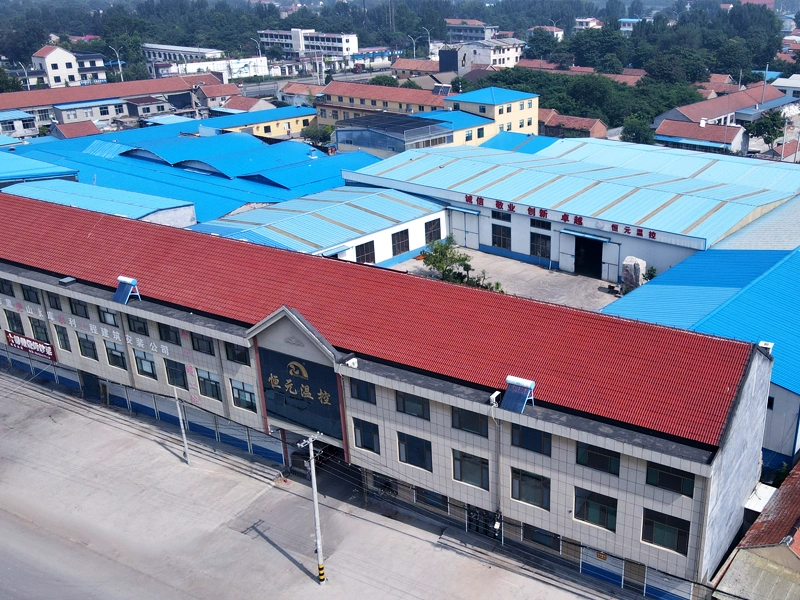
For many years, it has been committed to the development and promotion of national environmental protection and energy-saving products. It is a high-tech enterprise specializing in the production of environmental control-related equipment and technical services.
-
Blog
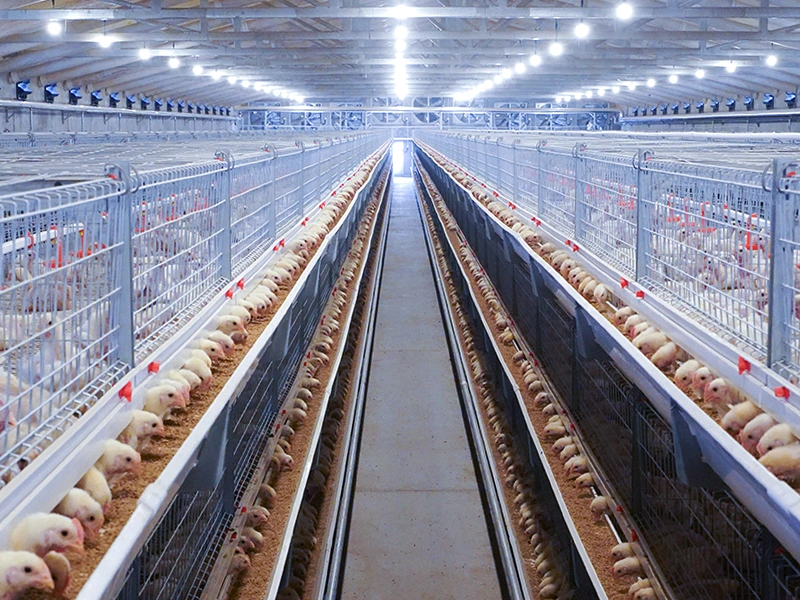
The company's goal is to provide customers with the best solutions for temperature and humidity control, to provide high-quality production and living environments for your greenhouses, livestock and poultry houses, industrial plants, etc., and to create the best benefits for you!
Why Your Farm Needs the Best Farrowing House Exhaust Fan: Enhancing Piglet Health and Productivity
Release time:
2025-10-04
Why Your Farm Needs the Best Farrowing House Exhaust Fan
Understanding the Importance of Ventilation in Farrowing Houses
Proper ventilation is critical for maintaining a healthy environment in farrowing houses. Without adequate air circulation, harmful gases can accumulate, leading to serious health issues for both sows and piglets. An effective farrowing house exhaust fan plays a key role in ensuring that fresh air is constantly circulated, thus maintaining an ideal atmosphere for breeding.
In livestock farming, especially in pig production, the health of the animals directly impacts productivity and profitability. **Ventilation systems**, particularly exhaust fans, ensure that **harmful pollutants**, such as ammonia from manure, do not reach levels that would compromise the animals' health.
The Role of Exhaust Fans in Temperature Regulation
Temperature regulation is vital for the welfare of sows and piglets. Newborn pigs are particularly vulnerable to temperature fluctuations. **Research shows** that piglets thrive in temperatures between 90°F to 100°F (32°C to 38°C) during their first week of life. A high-quality farrowing house exhaust fan facilitates better temperature control by removing excess heat and humidity, thus providing a more stable environment.
Benefits of Controlled Temperature and Humidity
Maintaining an optimal temperature and humidity level offers numerous benefits, including:
1. **Improved Piglet Survival Rates**: Newborn piglets are susceptible to hypothermia. A regulated environment helps ensure piglets stay warm and thrive.
2. **Enhanced Sow Health**: Sows that are comfortable and healthy are more likely to produce stronger litters.
3. **Reduced Stress Levels**: Proper ventilation reduces stress in pigs, leading to healthier behavior and improved growth rates.
Choosing the Right Exhaust Fan for Your Farrowing House
Investing in the right exhaust fan can yield significant returns. Here are several factors to consider when selecting an exhaust fan for your farrowing house:
Fan Size and Capacity
The size of the exhaust fan should be appropriate for your farrowing house's dimensions. Calculate the required airflow using the following formula:
**Airflow (CFM) = (Volume of Space (Cubic Feet) x Air Changes Per Hour) / 60**
**Choosing the correct fan size** ensures that air circulation is efficient and effective.
Energy Efficiency
In the age of rising energy costs, choosing an energy-efficient exhaust fan is crucial. Look for fans with high-efficiency motors and those that have earned Energy Star certification, as they consume less electricity while providing maximum performance.
Noise Levels
Another critical factor is the noise level of the exhaust fan. Excessive noise can stress livestock. Select fans designed for quiet operation, ensuring a peaceful environment for both sows and piglets.
The Benefits of Installing a High-Quality Farrowing House Exhaust Fan
Investing in a **high-quality farrowing house exhaust fan** provides numerous advantages for your farming operations.
1. Enhanced Air Quality
A well-functioning exhaust fan improves air quality by removing ammonia, carbon dioxide, and other harmful gases. This results in a healthier environment for the animals, reducing the risk of respiratory diseases.
2. Improved Growth Rates
Healthy piglets grow more efficiently. By maintaining optimal air quality and temperature, farmers can achieve better growth rates, leading to healthier animals ready for market sooner.
3. Lower Disease Incidence
Exhaust fans reduce moisture buildup, which can attract pathogens. A dryer environment is less conducive to disease proliferation, allowing for healthier livestock.
4. Increased Overall Productivity
With healthier animals and improved growth rates, farmers can expect higher overall productivity. Healthy piglets contribute to increased profitability as they reach market weight more rapidly.
Installation and Maintenance Tips for Your Exhaust Fan
To maximize the effectiveness of your farrowing house exhaust fan, proper installation and maintenance are essential.
Correct Installation Practices
1. **Location**: Position the fan at the highest point of the farrowing house to ensure optimal airflow.
2. **Ductwork**: Ensure that ductwork is properly sealed to avoid air leaks, which can reduce efficiency.
3. **Control Systems**: Consider integrating automated control systems that adjust fan speed based on temperature and humidity readings.
Regular Maintenance Guidelines
1. **Clean Fan Blades**: Dust and debris can hinder performance; clean blades regularly to maintain optimal airflow.
2. **Inspect for Wear and Tear**: Regularly check belts and motors for signs of wear. Promptly replacing damaged parts can prevent costly breakdowns.
3. **Test Fan Performance**: Periodically test the fan's airflow and make necessary adjustments to ensure it operates at peak efficiency.
Common Challenges and Solutions in Farrowing House Ventilation
While ensuring good ventilation in the farrowing house is essential, farmers may encounter several challenges.
1. Inconsistent Airflow
**Solution**: Regularly check and balance airflow to avoid areas of stagnant air, which can lead to health problems.
2. High Energy Costs
**Solution**: Invest in energy-efficient fans and utilize automated controls to optimize fan usage based on real-time conditions.
3. Noise Pollution
**Solution**: Choose fans designed for quiet operation and install noise-dampening materials in the farrowing house.
FAQs About Farrowing House Exhaust Fans
1. How often should I run my exhaust fan?
**Answer**: Ideally, the exhaust fan should run continuously, especially during the farrowing period, to maintain optimal air quality and temperature.
2. What size exhaust fan do I need for my farrowing house?
**Answer**: The size will depend on the volume of your farrowing house. Calculate airflow needs based on the number of sows and the space's dimensions.
3. How can I tell if my exhaust fan is functioning properly?
**Answer**: Regularly inspect airflow, listen for unusual noises, and check for energy efficiency. You can also use an anemometer to measure airflow.
4. Can I install an exhaust fan myself?
**Answer**: While DIY installation is possible, it’s advisable to hire a professional to ensure proper setup and efficiency.
5. How long do exhaust fans typically last?
**Answer**: With proper maintenance, high-quality exhaust fans can last 10 to 15 years. Regular inspections can significantly extend their lifespan.
Conclusion
Incorporating the best farrowing house exhaust fan into your farming operations is not just an investment in equipment but a commitment to the health and productivity of your livestock. With proper ventilation, temperature control, and air quality management, farmers can create an optimal environment that promotes the well-being of both sows and piglets. As we have discussed, the right exhaust fan can lead to significant improvements in piglet survival rates, growth rates, and overall farm productivity. Prioritize selecting an energy-efficient, high-quality exhaust fan today to ensure your farm continues to thrive in the ever-evolving agricultural landscape.
recommend Content
2025-04-24
Share

Engaged in all kinds of cooling heating and animal husbandry equipment
Qingzhou Ventimax Equipment Co.,Ltd.
Economic Development zone,Qingzhou,China