
-

Products
Main products include: large-scale livestock fans, large-scale greenhouse dedicated fans, industrial plant dedicated fans, circulation fans, roof automatic ventilators and other ventilation and cooling systems; wet curtains - fans, cold fans and other cooling and humidification systems; coal (fuel oil, electricity, gas) hot air fans, exhaust fans and other heating systems; feed towers, feed lines and other feeding systems; animal husbandry cage systems; scraper conveyor manure removal machines, belt conveyor manure removal machines and other manure removal systems.
-
About Us
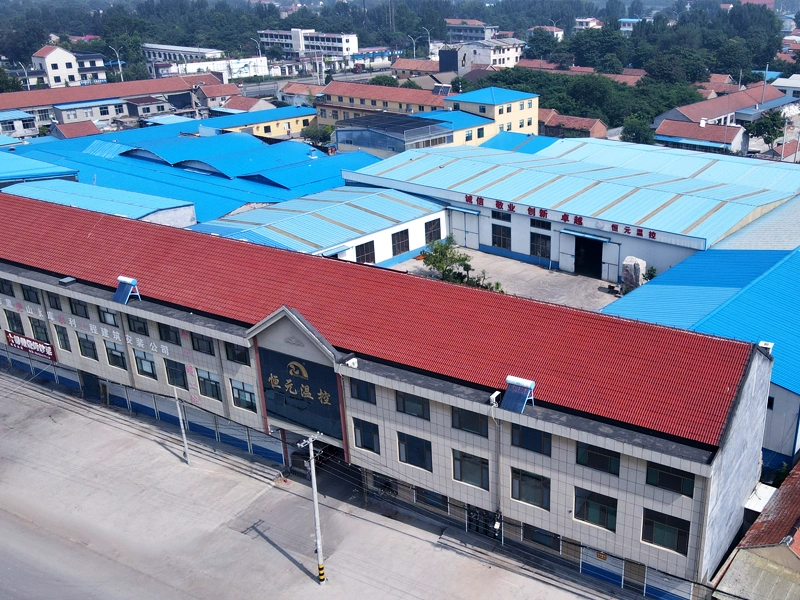
For many years, it has been committed to the development and promotion of national environmental protection and energy-saving products. It is a high-tech enterprise specializing in the production of environmental control-related equipment and technical services.
-
Blog
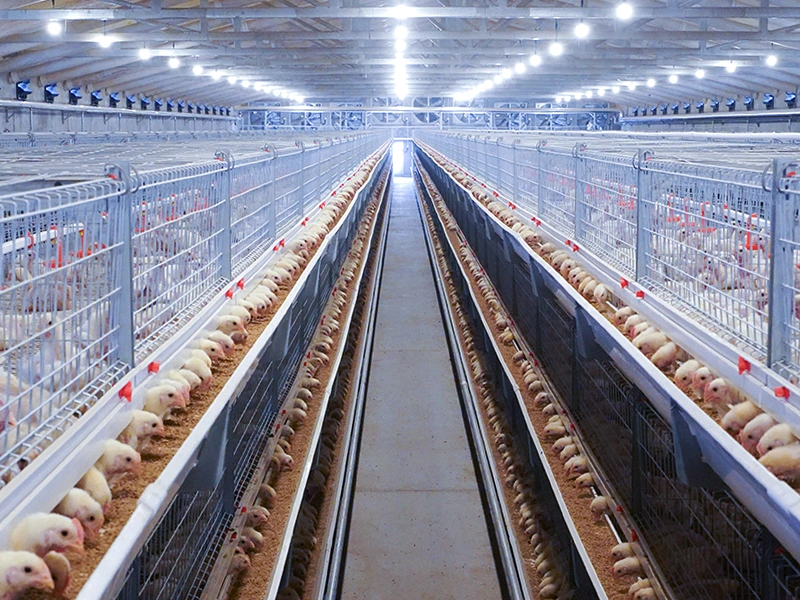
The company's goal is to provide customers with the best solutions for temperature and humidity control, to provide high-quality production and living environments for your greenhouses, livestock and poultry houses, industrial plants, etc., and to create the best benefits for you!
Understanding the Costs vs. Benefits of Evaporative Cooling Pads: A Comprehensive Guide
Release time:
2025-09-28
Understanding the Costs vs. Benefits of Evaporative Cooling Pads
Table of Contents
1. Introduction to Evaporative Cooling Pads
2. How Evaporative Cooling Pads Work
3. Types of Evaporative Cooling Pads
3.1. Cellulose Cooling Pads
3.2. Synthetic Cooling Pads
3.3. Other Types of Cooling Pads
4. The Costs of Evaporative Cooling Pads
4.1. Initial Investment Costs
4.2. Maintenance and Replacement Costs
4.3. Energy Consumption Costs
5. The Benefits of Evaporative Cooling Pads
5.1. Energy Efficiency and Cost Savings
5.2. Environmental Impact
5.3. Improved Indoor Air Quality
6. Comparing Evaporative Cooling with Traditional Air Conditioning
7. Factors Influencing the Effectiveness of Evaporative Cooling Pads
8. Frequently Asked Questions (FAQs)
9. Conclusion: Making the Right Choice
1. Introduction to Evaporative Cooling Pads
Evaporative cooling pads are integral components of evaporative coolers, also known as swamp coolers. They utilize the natural process of evaporation to cool air, providing an energy-efficient alternative to traditional air conditioning systems. By absorbing water and allowing air to pass through, these pads facilitate a cooling effect that can be particularly beneficial in dry and arid climates.
2. How Evaporative Cooling Pads Work
The principle behind evaporative cooling is straightforward. When warm air passes over water-saturated pads, the water evaporates, absorbing heat from the air. This process lowers the air temperature, creating a cooler, more comfortable environment. The efficiency of this method is influenced by various factors, including humidity levels and air flow rates.
3. Types of Evaporative Cooling Pads
There are several types of evaporative cooling pads available, each with its unique properties and applications.
3.1. Cellulose Cooling Pads
Cellulose pads are made from treated paper and have a honeycomb structure that maximizes surface area for evaporation. They are known for their durability and efficiency, making them a popular choice for both residential and industrial applications.
3.2. Synthetic Cooling Pads
Synthetic pads are manufactured from materials like plastic and are designed for specific applications. They are lightweight, easy to handle, and can be more resistant to mold and mildew than cellulose pads.
3.3. Other Types of Cooling Pads
Other types include aspen pads and aluminum pads, each offering varied advantages depending on the specific cooling needs and environmental conditions.
4. The Costs of Evaporative Cooling Pads
While the benefits of evaporative cooling pads are compelling, understanding the costs involved is crucial for making informed decisions.
4.1. Initial Investment Costs
The initial investment for evaporative cooling pads includes the cost of the pads themselves and the installation of the cooling system. Prices can vary based on the type of pad and system size, but generally, these costs are lower than those associated with traditional air conditioning units.
4.2. Maintenance and Replacement Costs
Maintenance is essential for ensuring the longevity and efficiency of evaporative cooling pads. Regular cleaning, replacement of pads, and inspection of the cooling system should be factored into ongoing costs. Typically, cellulose pads need to be replaced every few seasons, while synthetic pads may last longer.
4.3. Energy Consumption Costs
One of the significant advantages of evaporative cooling is its energy efficiency. These systems generally consume less power than traditional air conditioning units, resulting in lower energy bills. However, the overall energy consumption can vary depending on system usage and local utility rates.
5. The Benefits of Evaporative Cooling Pads
The benefits of using evaporative cooling pads extend beyond just initial cost savings.
5.1. Energy Efficiency and Cost Savings
Evaporative cooling systems often have lower operating costs. They use significantly less electricity than conventional air conditioning systems, making them a cost-effective cooling solution, especially in areas with low humidity.
5.2. Environmental Impact
Evaporative cooling pads are environmentally friendly. By using water rather than harmful refrigerants, they help reduce the carbon footprint associated with cooling. Their energy-efficient operation also contributes to lower overall energy consumption and reduced greenhouse gas emissions.
5.3. Improved Indoor Air Quality
Another significant benefit is the improvement of indoor air quality. The process of evaporative cooling naturally humidifies the air, which can alleviate dry skin and respiratory issues. Additionally, it can help reduce dust and allergens in the air.
6. Comparing Evaporative Cooling with Traditional Air Conditioning
When weighing the costs and benefits, it’s essential to compare evaporative cooling pads with traditional air conditioning systems. While air conditioning provides consistent cooling regardless of humidity levels, evaporative coolers excel in hot, dry climates, offering substantial cost savings and environmental benefits.
7. Factors Influencing the Effectiveness of Evaporative Cooling Pads
Several factors can influence the effectiveness of evaporative cooling pads. These include:
- **Humidity Levels**: Evaporative cooling is less effective in high humidity, as the air is already saturated with moisture.
- **Air Flow**: Proper airflow is crucial for maximizing cooling efficiency.
- **Temperature**: Higher temperatures enhance the evaporation rate, leading to more effective cooling.
8. Frequently Asked Questions (FAQs)
Q1: How often should evaporative cooling pads be replaced?
A1: Typically, cellulose pads should be replaced every 1-3 years, while synthetic pads can last longer depending on usage and environmental conditions.
Q2: Can I use evaporative cooling pads in high humidity areas?
A2: Evaporative cooling is less effective in high humidity regions. In such cases, traditional air conditioning might be more suitable.
Q3: What maintenance is required for evaporative cooling pads?
A3: Regular maintenance includes cleaning the pads, checking water levels, and inspecting the cooling system for any leaks or blockages.
Q4: Are evaporative cooling pads energy efficient?
A4: Yes, evaporative cooling pads are generally more energy-efficient than traditional air conditioning systems, resulting in lower energy costs.
Q5: What are the environmental benefits of using evaporative cooling pads?
A5: Evaporative cooling pads use water instead of harmful refrigerants, reducing environmental impact and energy consumption.
9. Conclusion: Making the Right Choice
In conclusion, understanding the costs versus benefits of evaporative cooling pads is essential for making an informed decision. While the initial investment is relatively low, the long-term benefits—such as energy efficiency, improved air quality, and reduced environmental impact—make them a compelling option for many. By evaluating your specific cooling needs and considering the local climate, you can determine if evaporative cooling pads are the right solution for your residential or industrial space.
recommend Content
2025-04-24
Share

Engaged in all kinds of cooling heating and animal husbandry equipment
Qingzhou Ventimax Equipment Co.,Ltd.
Economic Development zone,Qingzhou,China