
-

Products
Main products include: large-scale livestock fans, large-scale greenhouse dedicated fans, industrial plant dedicated fans, circulation fans, roof automatic ventilators and other ventilation and cooling systems; wet curtains - fans, cold fans and other cooling and humidification systems; coal (fuel oil, electricity, gas) hot air fans, exhaust fans and other heating systems; feed towers, feed lines and other feeding systems; animal husbandry cage systems; scraper conveyor manure removal machines, belt conveyor manure removal machines and other manure removal systems.
-
About Us
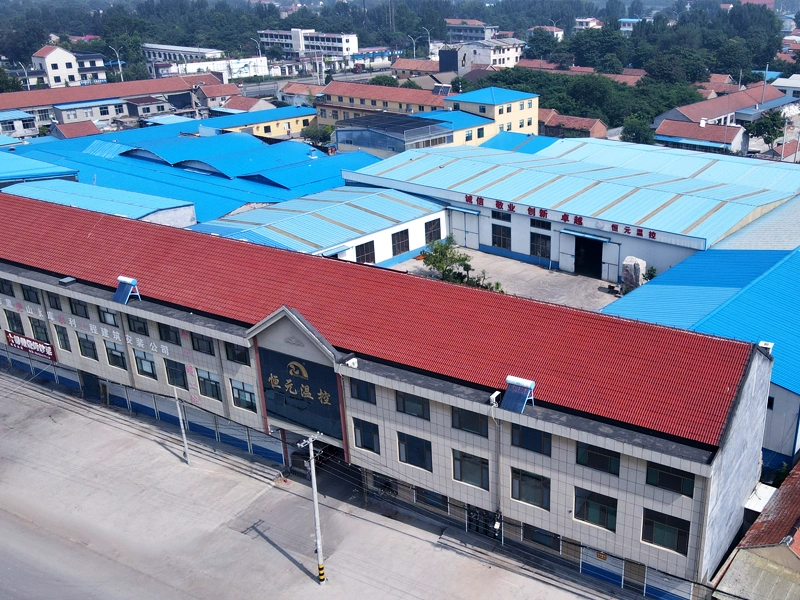
For many years, it has been committed to the development and promotion of national environmental protection and energy-saving products. It is a high-tech enterprise specializing in the production of environmental control-related equipment and technical services.
-
Blog
The company's goal is to provide customers with the best solutions for temperature and humidity control, to provide high-quality production and living environments for your greenhouses, livestock and poultry houses, industrial plants, etc., and to create the best benefits for you!
LIVESTOCK FARM EQUIPMENT — ENHANCING EFFICIENCY, ANIMAL WELFARE, AND FARM PRODUCTIVITY
Release time:
2025-11-27
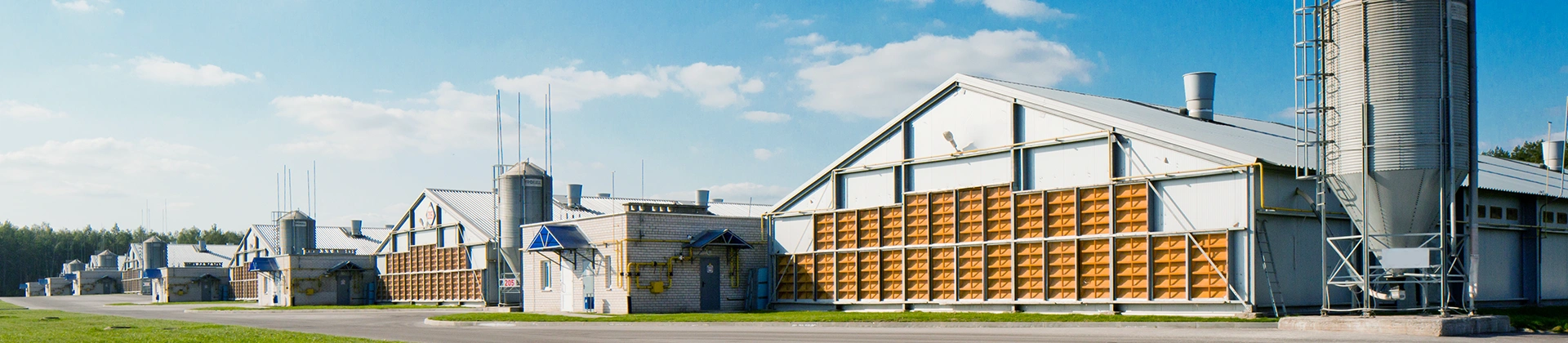
Livestock farm equipment plays a pivotal role in modern agriculture, helping farmers manage animals efficiently while maintaining high standards of animal welfare and operational productivity. As farms scale up and demands for sustainable, safe, and profitable livestock management grow, the importance of advanced equipment becomes increasingly evident. From automated feeding and watering systems to climate control, manure handling, and health monitoring solutions, livestock farm equipment streamlines daily operations, reduces labor costs, and ensures consistent animal care. The main framework of livestock farm equipment revolves around durability, functionality, ease of use, and adaptability to different farm sizes and environments. This narrative explores how high-quality equipment improves farm operations, solves common challenges, and delivers long-term value to farmers.
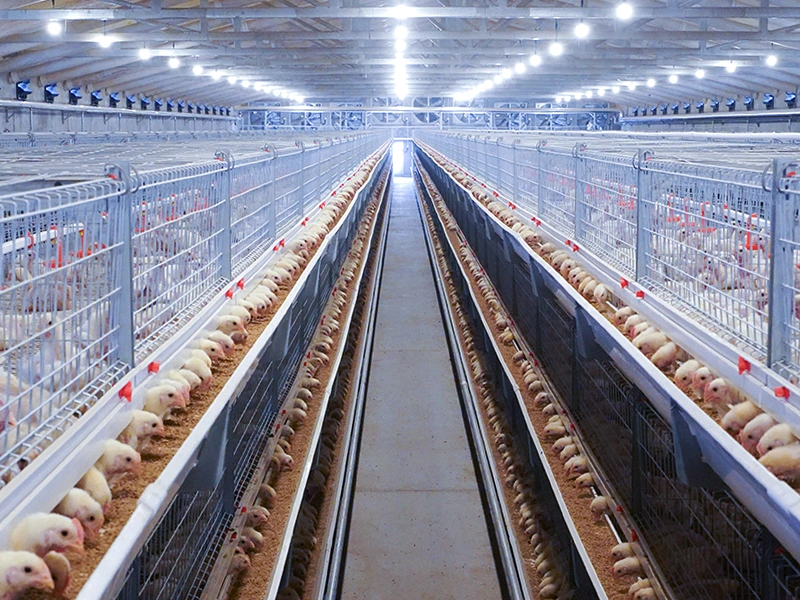
The core of livestock farm equipment includes feeding systems, waterers, ventilation and climate control devices, bedding management tools, and automated monitoring systems. Automated feeders ensure animals receive precise amounts of feed at scheduled intervals, reducing waste and promoting balanced nutrition. Watering systems provide clean, consistent water supply, essential for animal health and growth. Ventilation systems regulate airflow and temperature, creating a comfortable environment that prevents heat stress, respiratory diseases, and low productivity. Manure management equipment, including scrapers, conveyors, and composters, simplifies waste removal, maintains hygiene, and reduces labor requirements. Additionally, monitoring systems track animal health indicators such as weight, activity, and feed intake, enabling early detection of illness and more informed decision-making.
One of the key advantages of livestock farm equipment is labor efficiency and operational consistency. Traditional manual farming is time-consuming and labor-intensive, often leading to uneven feeding, inconsistent water supply, and delayed waste management. Automated and semi-automated equipment addresses these pain points by providing reliable, repetitive operations without human error. Farmers can manage larger herds with fewer staff, ensuring that animals are cared for properly every day. This advantage is particularly valuable for medium-to-large farms, where managing hundreds or thousands of animals manually is impractical.

Another significant benefit is improved animal welfare and health. Proper feeding, clean water, and controlled environmental conditions reduce stress and disease risk, enhancing growth rates and overall productivity. Equipment such as climate-controlled barns and automated feeders ensures that each animal receives optimal conditions regardless of external weather fluctuations or staffing limitations. This not only improves the quality of livestock but also aligns with regulatory standards and consumer expectations for ethically raised animals.
In practical applications, livestock farm equipment has demonstrated clear value. A dairy farm that implemented automated feeding and climate control systems reported a 25% increase in milk yield due to more consistent nutrition and reduced heat stress in cows. A poultry farm using automated watering systems and manure scrapers significantly reduced labor costs and improved flock health, decreasing mortality rates. Even smaller farms benefit: backyard pig or goat operations using simple automated feeders and waterers maintain better animal care with less daily effort. These examples highlight how equipment can solve common pain points such as high labor demand, inconsistent care, and hygiene challenges while delivering measurable productivity gains.
Durability, ease of use, and adaptability are additional advantages of modern livestock farm equipment. Robust materials and corrosion-resistant designs ensure long-term reliability, even under harsh barn conditions. User-friendly interfaces and modular designs make installation, operation, and maintenance straightforward, reducing downtime and ensuring continuous operation. The equipment can also adapt to different farm sizes, animal types, and production goals, providing flexibility for expansion or changes in farm management strategies.
Finally, livestock farm equipment supports sustainability and environmental management. Efficient feed use reduces waste, automated manure handling minimizes environmental pollution, and optimized water and energy use lower resource consumption. By implementing modern equipment, farmers can meet both economic and environmental goals, ensuring profitable operations that comply with regulatory standards.
In conclusion, livestock farm equipment is a critical investment for modern farming operations. It enhances efficiency, reduces labor intensity, improves animal welfare, and supports sustainable farm management. By solving key challenges such as inconsistent feeding, labor shortages, environmental management, and animal health monitoring, high-quality equipment enables farmers to achieve consistent results, reduce costs, and increase productivity. Whether for large-scale commercial farms or smaller family operations, livestock farm equipment delivers reliable, long-term value, promoting healthy, productive animals and streamlined, efficient farm management.
recommend Content
2025-04-24
Share

Engaged in all kinds of cooling heating and animal husbandry equipment
Qingzhou Ventimax Equipment Co.,Ltd.
Economic Development zone,Qingzhou,China